Fire Extinguisher Price
- Transparent & Competitive Pricing: Find clear, upfront fire extinguisher price options for portable cylinders, modular systems, and specialty units designed to fit every residential, commercial, and industrial budget.
- Cost-Effective Long-Term Safety: Investing in a certified safety unit ensures low maintenance overhead and high multi-class protection, delivering maximum economic value over its operational service life.
- Direct Factory Rates: Explore certified safety hardware options at the best fire extinguisher price direct from leading manufacturers with transparent quotes, bulk discounts, and nationwide delivery.
Showing 1–10 of 30 results
Comprehensive Fire Extinguisher Price Guide – Certified Safety Solutions
When planning or upgrading a facility’s safety infrastructure, understanding the overall fire extinguisher price structure is critical for budgeting effectively without sacrificing quality, performance, or regulatory compliance. Fire suppression hardware spans a wide variety of agent types, capacity ranges, build materials, and deployment mechanisms—each directly impacting the final purchase cost. Evaluating the upfront fire extinguisher price against long-term operational durability, certification standards, and maintenance requirements ensures property managers, business owners, safety engineers, and facility directors select the most cost-effective protection tailored to their specific risk profile.
Investing in certified fire protection equipment is fundamentally about comprehensive risk mitigation, personnel safety, and asset protection. Choosing the lowest immediate fire extinguisher price without verifying manufacturing standards can result in premature vessel corrosion, unexpected pressure leaks, or catastrophic failure during a critical thermal emergency. At firespray.in, we maintain complete transparency across our entire product catalog, ensuring customers receive factory-direct pricing, certified performance, and an affordable fire extinguisher price across every safety product line.
Navigating the commercial market requires a clear understanding of what drives cost differences. Fire extinguishers are not monolithic commodities; a compact 2 kg unit designed for an office pantry operates under completely different engineering tolerances than a 50 kg wheeled unit stationed at an airport tarmac or a ceiling-mounted automatic bulb system protecting a high-voltage transformer bay. By examining how chemical formulations, pressure vessel metallurgy, valve engineering, and long-term maintenance impact the fire extinguisher price, buyers can accurately calculate the total cost of ownership rather than relying solely on initial price tags.

Key Factors Influencing Fire Extinguisher Price
The total fire extinguisher price for any safety unit is determined by several core engineering, chemical, and physical parameters:
1. Extinguishing Agent & Chemical Concentration
The type and chemical purity of the suppression medium inside the pressure vessel significantly affect the baseline fire extinguisher price:
- Monoammonium Phosphate (MAP) Dry Powder: Multi-purpose ABC chemical powder units represent the most economical high-volume protection option on the market today. However, formulations with higher active chemical concentrations—such as MAP 90 compared to standard MAP 50—carry a slightly higher initial fire extinguisher price due to their superior chemical purity, faster flame knockdown speed, and enhanced ability to prevent re-ignition in dense Class A materials.
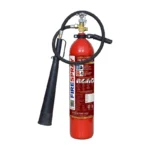
- Carbon Dioxide (CO2): Clean-agent CO2 cylinders require seamless alloy steel construction capable of holding extremely high gas pressure, reflecting a higher manufacturing cost and fire extinguisher price compared to low-pressure dry chemical units. CO2 leaves zero chemical residue, making it an indispensable asset for protecting expensive electronic hardware.
- Fluorinated & Halocarbon Clean Agents: Specialty clean agent units engineered for zero residue and zero ozone depletion represent a higher chemical material cost. However, this initial fire extinguisher price premium is easily offset by their unique ability to protect multi-million-dollar server racks, telecommunications switches, and medical imaging equipment from secondary chemical dust damage.
- AFFF Foam & Wet Chemical Formulations: Aqueous Film Forming Foam (AFFF) and specialized wet chemical agents designed for Class F commercial kitchen grease fires require anti-corrosive internal vessel linings and specialized discharge nozzles, which modestly adjusts the baseline fire extinguisher price.
2. Pressure Vessel Shell Material & Construction
The metallurgical grade and fabrication technology used to construct the cylinder directly influence the initial fire extinguisher price:
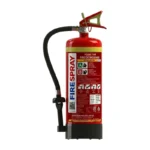
- Cold-Rolled Carbon Steel (CRCA): Standard deep-drawn steel shells coated with UV-resistant red polyester powder offer the most budget-friendly fire extinguisher price for everyday indoor commercial environments, office buildings, and retail establishments.
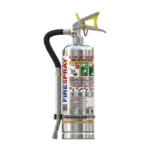
- Stainless Steel (SS304/SS316): Premium mirror-polished stainless steel cylinders carry a higher upfront fire extinguisher price but deliver complete immunity against rust, saltwater exposure, and aggressive airborne chemical corrosion in coastal zones, marine vessels, offshore platforms, and sterile cleanrooms.
- Seamless Alloy Steel: High-pressure vessels used for CO2 containment require precision hot-forging and heavy wall thickness to safely handle high operating pressures, contributing to a higher total fire extinguisher price.
3. Capacity & Discharge Hardware
As agent charge capacity increases—from portable 2 kg hand-held units up to 100 kg industrial mobile systems—material costs for structural steel framing, heavy-duty brass valves, braided high-pressure hoses, and larger pressure vessels scale proportionally, adjusting the fire extinguisher price accordingly. Furthermore, units equipped with ergonomic squeeze-grip discharge nozzles, pressure indicators, and stainless steel safety pins demand higher manufacturing precision.
Extinguisher Categories & Pricing Structure Overview
To help you evaluate budget allocation across different building zones and operational facilities, the table below breaks down general pricing tiers and ideal application areas across primary product categories:
| Product Category | Relative Pricing Tier | Primary Cost Driver | Best Application Environment |
|---|---|---|---|
| Standard ABC Portable Extinguisher | Budget-Friendly | High-volume cold-rolled steel & MAP powder production. | General offices, residential apartments, retail shops. |
| High-Capacity Portable (6kg to 9kg) | Moderate | Larger agent volume and heavy-duty brass valve hardware. | Industrial warehouses, factories, parking structures. |
| Stainless Steel ABC Extinguisher | Premium | High-grade polished stainless steel alloy construction. | Luxury hotels, marine vessels, food processing plants. |
| Automatic Modular Extinguisher | Mid-to-High Tier | Thermo-bulb automatic sprinkler discharge assembly. | Unmonitored switchgear rooms, server racks, generator bays. |
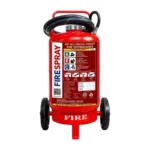
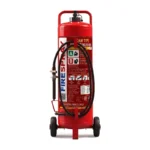
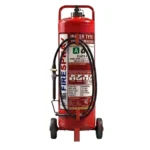
| Mobile Wheeled Extinguisher | Industrial / High Tier | Heavy-duty chassis, 25kg–100kg capacity, long-throw hose. | Airport tarmacs, fuel depots, chemical processing yards. |
Comparative Product Analysis across the Firespray.in Catalog
Selecting the correct fire protection hardware involves matching specific operational risks against the appropriate equipment category, capacity point, and deployment style to find an ideal fire extinguisher price point.
Standard Portable ABC Fire Extinguishers
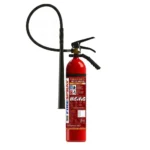
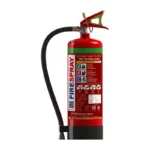
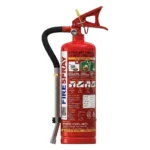
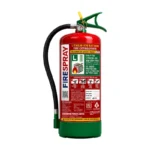
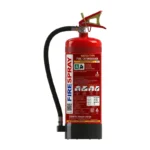
For general commercial real estate, corporate offices, educational institutions, and residential complexes, evaluating a basic ABC Type Fire Extinguisher offers the most cost-effective path to meeting mandatory safety compliance codes. Portable units in our core ABC Fire Extinguisher selection provide versatile multi-hazard protection against Class A (solid combustibles like wood and paper), Class B (flammable liquids like petrol and solvents), and Class C (energized electrical equipment and flammable gases) hazards. In high-demand commercial layouts, deploying our popular 6 Kg ABC Fire Extinguisher strikes an optimal balance between an affordable unit cost and expanded firefighting capacity during an outbreak.
Specialty Clean Agent & Electrical Protection Units
In environments where sensitive electrical machinery, data centers, server racks, or delicate laboratory instruments are present, deploying dry chemical powder can cause secondary non-thermal residue damage to delicate circuit boards. While the initial CO2 Fire Extinguisher cost or clean agent investment is slightly higher than standard powder models, evaluating the overall fire extinguisher price against potential asset loss demonstrates how clean units eliminate expensive post-fire electronic cleanup and downtime.
Autonomous Ceiling-Mounted & Overhead Systems
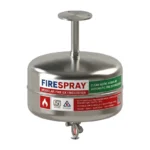
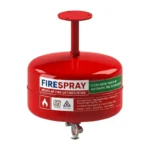
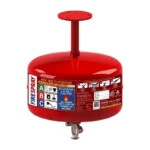
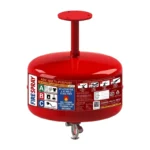
For unmonitored risk zones such as electrical switchgear rooms, high-voltage transformer bays, boiler rooms, or remote generator enclosures, installing autonomous ceiling protection is essential. Reviewing options across our overhead Modular Fire Extinguisher catalog—including localized Clean Agent Modular Fire Extinguisher units—provides automated 24/7 protection that triggers instantly upon reaching temperature thresholds, eliminating the need for expensive dedicated piping networks.
Corrosion-Resistant Stainless Steel Solutions
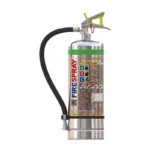
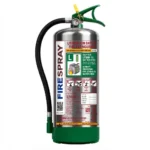
In highly aggressive marine atmospheres, coastal facilities, chemical manufacturing plants, or luxury architectural spaces, standard painted mild steel cylinders can chip, scratch, and rust over time, requiring premature unit replacement. Investing in a polished Stainless Steel ABC Fire Extinguisher carries a higher initial purchase point but delivers an extended service life with zero rust formation, resulting in a significantly lower long-term cost of ownership.
Evaluating Total Cost of Ownership (TCO) vs. Initial Purchase Price
A comprehensive fire safety budget must look far beyond the initial purchase sticker to evaluate the total lifecycle expense of the safety hardware over a 5-to-10-year operational horizon. A low initial fire extinguisher price can quickly become an expensive liability if the unit requires frequent part replacements, expensive pressure recharges, or premature scrapping due to sub-standard internal coatings.
| Cost Component | Standard Mild Steel Extinguisher | Premium / Modular / SS Systems |
|---|---|---|
| Upfront Unit Purchase | Lowest initial investment. | Higher initial capital outlay. |
| Routine Maintenance | Annual visual inspection and pressure audits. | Annual visual inspection and pressure audits. |
| Refinishing / Repainting | May require touch-ups in high-humidity areas. | Zero repainting required for stainless steel or plastic. |
| Replacement Frequency | Higher replacement frequency in harsh zones. | Extended operational service lifespan. |
| Overall Lifecycle Value | Ideal for low-risk, indoor commercial spaces. | Lowest long-term cost in harsh or high-value zones. |
When calculating TCO and evaluating how your initial fire extinguisher price delivers value, facility directors should account for several key variables:
- Recharge & Servicing Costs: Following any discharge—whether full or partial—a fire extinguisher must be refilled and repressurized by certified technicians. Standard dry powder units are highly economical to recharge, whereas specialized clean agent gases incur higher refilling fees.
- Hydrostatic Testing Expenses: Pressure vessels must undergo mandatory hydrostatic pressure testing at regulatory intervals (typically every 3 to 5 years depending on local fire codes) to verify structural integrity. Investing in high-grade steel vessels minimizes the risk of test failure and forced replacement.
- Corrosion Degradation: In humid or industrial environments, cheap mild steel cylinders without internal anti-corrosive linings suffer internal rust. This ruins the extinguishing powder and renders the pressure vessel dangerous, forcing an early replacement that negates initial cost savings.
Inspection & Maintenance Impact on Long-Term Value
Protecting your equipment investment requires following structured maintenance protocols to ensure units remain properly pressurized, fully functional, and compliant with national fire codes without incurring unnecessary service costs.
| Maintenance Parameter | Inspection Requirement | Cost-Saving Best Practice |
|---|---|---|
| Pressure Gauge Audit | Verify needle rests firmly within the green operational zone monthly. | Catches minor pressure drops early before full recharge is required. |
| Physical Shell Check | Inspect outer cylinder body for deep scratches, dents, or rust spots. | Wipe down cylinder shells regularly to prevent chemical corrosion build-up. |
| Discharge Hose & Nozzle | Ensure nozzle orifice is clear of dust, debris, or insect nests. | Keep discharge paths clear to avoid nozzle replacements during annual audits. |
Routine monthly checks can be performed by in-house safety personnel to catch minor issues before they turn into costly repairs. However, official annual maintenance must be conducted by qualified service engineers. Always partner with certified Fire Extinguisher Dealers to handle mandatory periodic weight verification, chemical powder agitation, internal pressure vessel checks, valve seal replacements, and hydrostatic testing at prescribed regulatory intervals.
Strategic Bulk Purchasing and Commercial Sourcing
For large-scale commercial developments, industrial parks, multi-story residential towers, and corporate campuses, procurement strategy plays a massive role in optimizing the final fire extinguisher price. Sourcing individual units piecemeal leads to higher freight expenses, inconsistent manufacturing batches, and inflated retail margins. By contrast, establishing bulk supply agreements directly with reputable manufacturers yields substantial financial and operational advantages.
- Volume Discounts: Purchasing multi-unit packages or full facility outfitting kits significantly lowers the unit price across all portable, modular, and wheeled categories.
- Standardized Maintenance: Equipping a facility with uniform extinguisher models simplifies spare parts inventory, standardizes staff training, and streamlines annual servicing contracts.
- Direct Factory Warranties: Sourcing directly eliminates middleman markups while securing comprehensive manufacturer warranties and guaranteed access to original replacement components.
Procure Certified Safety Equipment via Firespray.in
Finding an unbeatable, factory-direct fire extinguisher price backed by full quality certification, rigorous testing, and reliable nationwide shipping is simple when you choose to Buy Fire Extinguisher Online through firespray.in. You can review detailed technical specifications, compare models side-by-side, and evaluate transparent pricing across our updated ABC Fire Extinguisher Price catalog.
Whether you need a single portable unit for an office suite, automatic overhead systems for an unmonitored server facility, heavy-duty stainless steel models for a coastal resort, or bulk orders of portable extinguishers for a multi-story commercial complex, firespray.in operates as a leading Fire Extinguisher Manufacturer In India, delivering certified, high-performance Fire Safety Solutions nationwide at the most competitive price points in the industry, guaranteeing maximum value for your chosen fire extinguisher price.
To ensure maximum safety and regulatory compliance, all fire safety hardware supplied by firespray.in adheres to strict quality benchmarks established by the Bureau of Indian Standards (BIS). Our portable and modular fire extinguishers strictly conform to applicable national safety standards—such as IS 15683:2018—and undergo rigorous pressure testing, thermal resistance audits, and chemical purity checks. Sourcing ISI-marked equipment ensures that your fire suppression units perform reliably under extreme thermal emergencies while satisfying mandatory fire department audit requirements and statutory commercial building codes.