
Kitchen (K-Type SS) Fire Extinguisher
ISI marked5-yr warranty
from ₹2,400+ GST₹3,00020% off
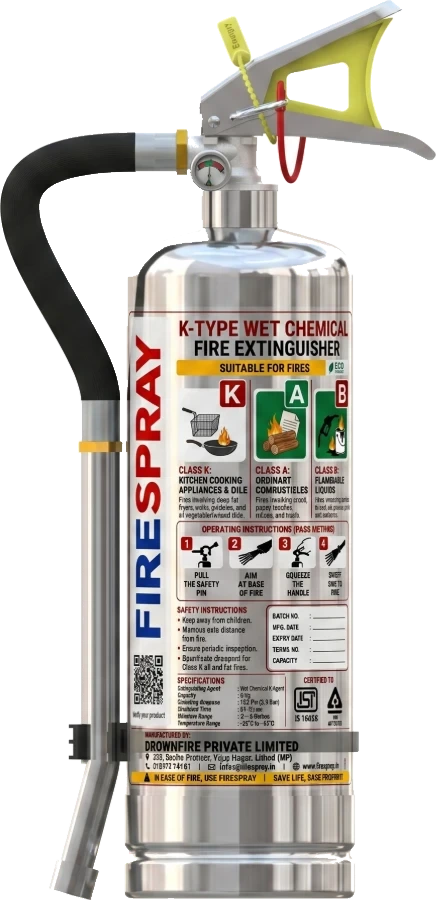
Choose size Kitchen (K-type) fire extinguishers use a wet chemical that cools burning cooking oil and stops it re-igniting. For restaurants, hotels and canteens. 1 to 9 litres, 5-year warranty.
5-year warrantyEvery unit, in writing
ISI markedIS 15683:2018
Factory-direct priceNo dealer margin
Pan-India deliveryFreight extra · 10-day fault replacement
Pick by the size of the space and the risk. For whole buildings we plan quantity and placement as per IS 2190, free on bulk orders.
Water or the wrong agent can make an oil fire spread. A K-type wet chemical unit cools the oil and seals the surface.
Wood, paper, cloth, plastic, furniture
Kitchen fryers, pans and cooking oil fires
| Size | Best for | Price | |
|---|---|---|---|
| 1 L | Home kitchens | ₹2,720+ GST | Buy → |
| 2 L | Cafés, small kitchens | ₹3,200+ GST | Buy → |
| 4 L | Restaurant kitchens | ₹6,400+ GST | Buy → |
| 6 L | Hotel and canteen kitchens | ₹8,000+ GST | Buy → |
| 9 L | Large commercial kitchens | ₹11,200+ GST | Buy → |
| SS body 2 L | Premium and open kitchens | ₹3,200+ GST | Buy → |
Prices exclude GST; freight extra as per delivery location. GST invoice with every order.
Not sure this is the right type? Here is when to choose which.
| Type | Best for | Why | Price |
|---|---|---|---|
| Kitchen Fire Extinguisher This page | Restaurants, hotels, home kitchens | Cooking oil and fat fires | from ₹2,400+ GST |
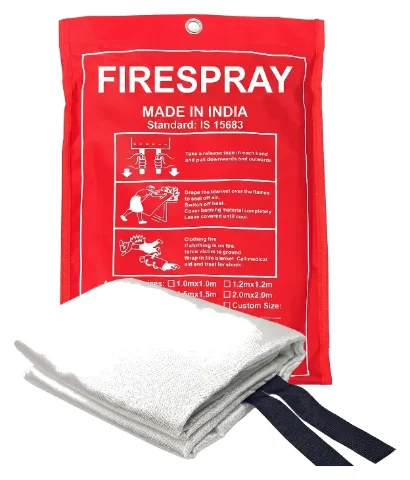
| Fire Blanket | Kitchens, labs | Smothers pan and clothing fires | from ₹560+ GST |
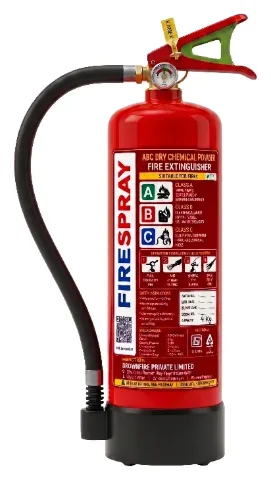
| ABC Fire Extinguisher | Homes, shops, offices, factories | All-round: A, B, C and electrical | from ₹880+ GST |
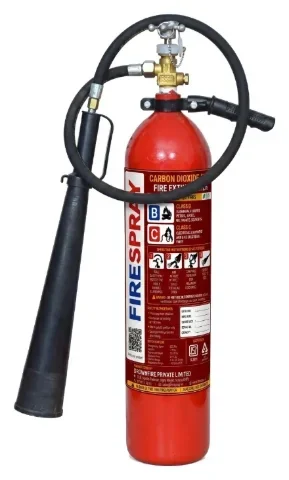
| CO2 Fire Extinguisher | Electrical panels, meter and DG rooms | No residue, safe on live electrics | from ₹3,680+ GST |
Every FireSpray Kitchen Fire Extinguisher leaves our factory sealed and pressure-tested, and stays that way. No yearly refill bills. If a covered unit fails within 5 years, we replace it.
A K-type (Class K) wet chemical extinguisher is the right kitchen fire extinguisher for cooking oil and fat fires. The wet chemical cools the burning oil and forms a soapy layer on top that seals it from the air, so the fire does not flash back.
Water or the wrong agent can make an oil fire spread. Water turns to steam instantly and throws burning oil out of the pan. That is why commercial kitchens need a dedicated K-type unit, not just a general extinguisher.
Keep one near the cooking line, within reach but not directly over the burners, and a fire blanket on the wall next to the stove. Typical places:
Train every cook to switch off the gas first, then use the extinguisher from a safe distance. Sizes run from 1 L to 9 L. Choose 1 L or 2 L for a home kitchen or pantry, 4 L or 6 L for a small restaurant or cafe, and 9 L for busy commercial kitchens with several fryers.
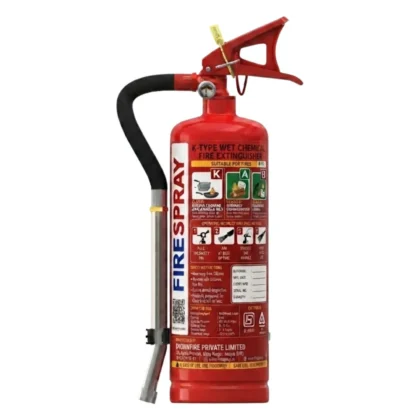
The agent is a wet chemical solution; the exact chemical is printed on the label. We make two versions:
Every kitchen fire extinguisher we sell is ISI marked to IS 15683:2018, filled, sealed and pressure-tested at our factory, with a 5-year warranty from the invoice date.
Prices are shown live above. They exclude GST, and freight depends on your location. Every order comes with a GST invoice, dispatch in 1 to 2 working days, and replacement within 10 days of delivery for a manufacturing fault or transit damage.
Fitting a new kitchen or upgrading an old one? Ask us which kitchen fire extinguisher size suits each cooking station. Running a hotel group or a chain of outlets? For 10 or more units we send a factory quotation, a placement plan as per IS 2190 and free training for kitchen staff. Get a bulk quote.












Can't find your answer? Call or WhatsApp us on +91 72 4747 6161.
All questionsAn extinguisher for cooking oil and fat fires, using a wet chemical agent.
A K-type wet chemical unit near the cooking line, plus a fire blanket, and ABC units elsewhere in the restaurant.
Free site visit, placement plan, GST quotation and a free fire-safety training camp for your staff.