
Home Fire Extinguisher
-
Immediate Residential Hazard Defense: Compact and lightweight, a home fire extinguisher allows family members to quickly neutralize sudden electrical shorts, appliance malfunctions, and living room flare-ups before they spread.
-
Simple, Ergonomic Operation: Engineered for fast one-handed deployment, a home fire extinguisher features an intuitive pull-pin mechanism, an ergonomic lever, and a clear pressure gauge for effortless use during high-stress emergencies.
-
Essential Multi-Zone Protection: Placing a certified home fire extinguisher in kitchens, corridors, and garages ensures total household safety and protects properties from costly structural damage.
Showing 1–4 of 4 results
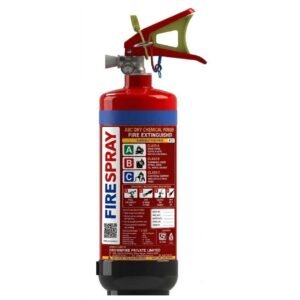
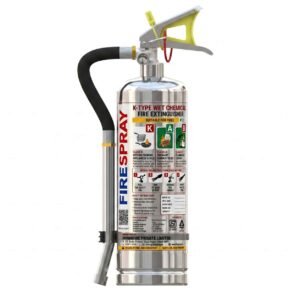
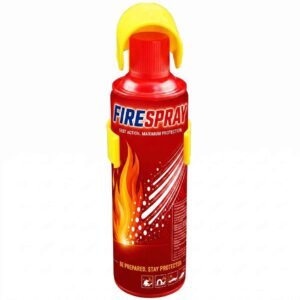
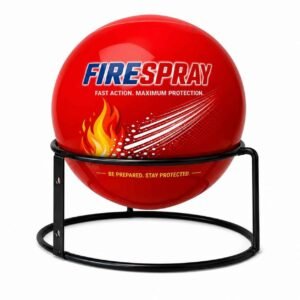
Home Fire Extinguishers – Essential Residential Safety & Family Fire Defense
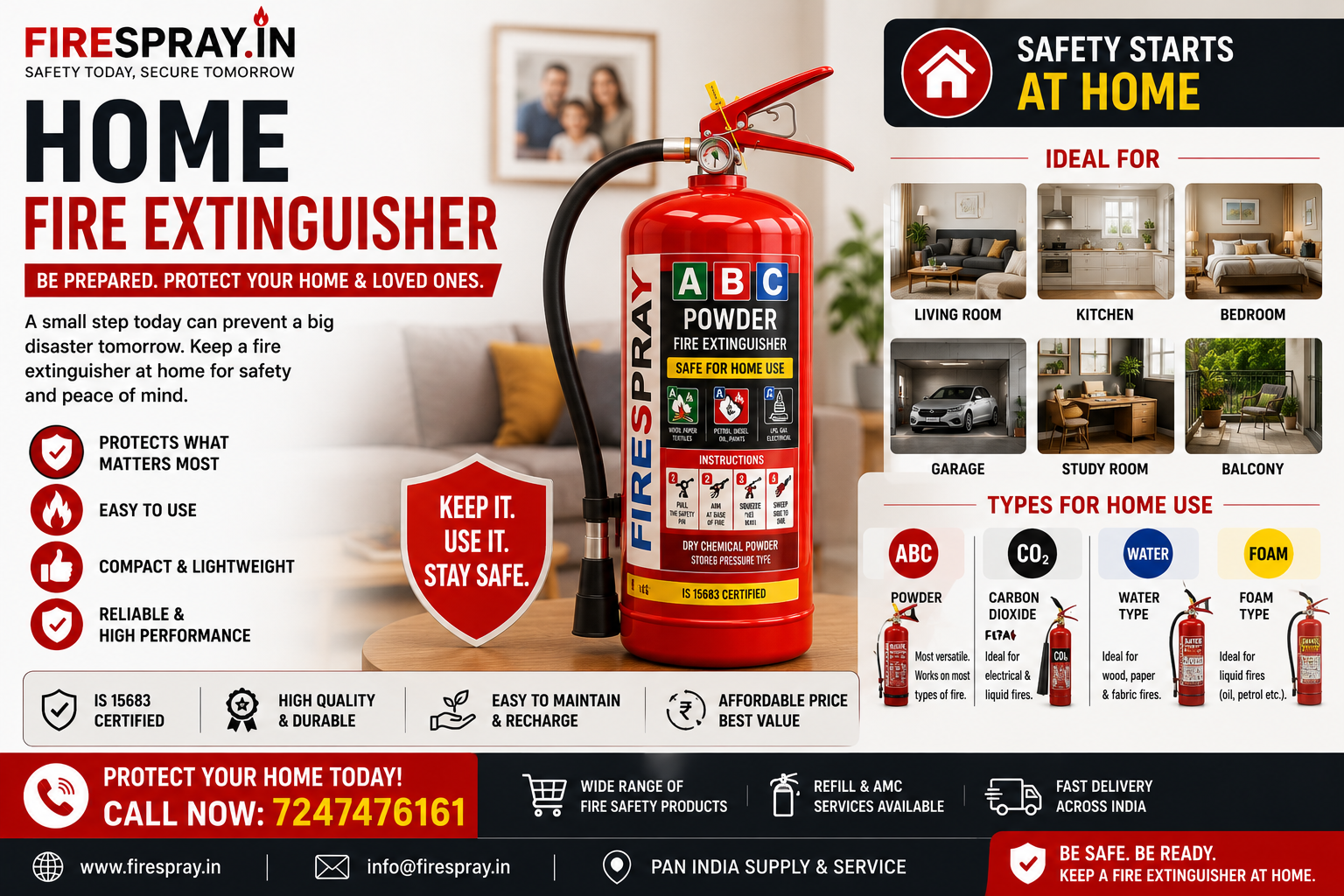
When safeguarding modern residential apartments, independent villas, gated community townhouses, and domestic living spaces, keeping a certified home fire extinguisher within easy reach is one of the most vital life-safety precautions a homeowner can take. Residential fire emergencies can escalate from a minor spark into an uncontrollable inferno within minutes. Common household triggers include overloaded power strips, short-circuiting consumer electronics, unattended stovetop cooking oils, festive candle flares, and faulty kitchen appliances. Without a reliable home fire extinguisher instantly accessible in high-risk zones, occupants lose critical seconds trying to find improvised methods, allowing flames and dense smoke to spread throughout the household.
A residential home fire extinguisher is engineered to balance rapid fire-knockdown performance with lightweight, user-friendly operation. Designed for quick one-handed deployment by any family member, a dependable home fire extinguisher features an ergonomic squeeze handle, an intuitive pull-pin mechanism, and an easy-to-read color-coded pressure indicator. By strategically placing dedicated fire safety cylinders across kitchens, bedrooms, utility areas, and home garages, families establish a robust first-line defense that neutralizes thermal emergencies instantly before irreversible structural damage occurs.
At firespray.in, we supply an extensive catalog of ISI-marked residential safety hardware, compact cylinders, and emergency smothering tools designed specifically for domestic environments. Whether you need a compact dry powder unit for the hallway or specialized wet chemical protection for your kitchen, exploring our primary Home Fire Extinguisher selection guarantees your living space is protected by certified, laboratory-tested equipment.
The Physics & Chemistry of Residential Fire Hazards
Understanding why deploying a multi-agent home fire extinguisher strategy is crucial requires analyzing the distinct combustion classes found across modern households:
1. Class A: Common Solid Combustibles
Modern homes contain large quantities of combustible furnishings, including wooden furniture, cotton draperies, polyurethane foam mattresses, carpeting, and paper goods. Once ignited, these materials produce intense heat and toxic smoke. An effective home fire extinguisher blankets the fuel bed to suppress open flames and soak embers to eliminate reignition risks.
2. Class B & Class K/F: Flammable Liquids & Cooking Fats
Domestic cooking spaces present unique risks driven by overheated cooking oils, butter, and animal fats, while utility rooms may store kerosene, paints, and thinners. Attempting to extinguish hot grease with water causes violent explosive flash-boils. Deploying a specialized home fire extinguisher delivers a vapor-sealing chemical blanket that isolates fuel from atmospheric oxygen.
3. Electrical Circuit & Appliance Short Circuits
From air conditioning compressors and microwave ovens to charging stations for laptops and smartphones, continuous electrical loads present persistent arcing hazards. A non-conductive home fire extinguisher suppresses energized electrical equipment fires without exposing the operator to dangerous electric shocks.
Strategic Placement Guide: Where to Position Extinguishers in Your Home
A single home fire extinguisher stored inside a locked utility closet cannot protect a multi-room house. Safety experts recommend placing dedicated units across these primary zones:
- The Kitchen & Pantry Line: The kitchen is the most frequent point of origin for household fires. Mount an extinguisher near the kitchen exit door—never directly above the stove—so you can safely access the unit without reaching over flames. Review our specialized Best Fire Extinguisher For Kitchen recommendations alongside our dedicated Kitchen Fire Extinguisher, Type K Fire Extinguisher, and Stainless Steel Fire Extinguisher collections.
- Hallways & Living Room Corridors: Position a multi-purpose unit in central corridors connecting bedrooms. This ensures rapid access along primary evacuation escape routes.
- Garage, Workshop & Utility Bays: Garages house flammable fuels, automotive chemicals, and battery chargers. Mount a dry chemical or foam unit near the exit doorway.
- Electrical Mains & Inverter Hubs: Position clean gas or CO2 units near main breaker distribution boards, inverter battery setups, and home theatre consoles to protect electronics from residue damage.
Step-by-Step Operating Protocol: The PASS Technique
In a residential emergency, remaining calm and operating your home fire extinguisher correctly is critical. Teach every capable member of the household the standard **PASS** method:
1. Pull the Pin (P): Pull the safety pin located at the top of the cylinder to break the tamper-evident seal and unlock the operating lever.
2. Aim at the Base (A): Stand back approximately 2 to 3 meters from the fire, maintain a clear escape path behind you, and aim the discharge nozzle directly at the base of the fire—not at the rising flames.
3. Squeeze the Lever (S): Squeeze the top operating lever smoothly and evenly to release the pressurized extinguishing agent.
4. Sweep Side to Side (S): Sweep the nozzle back and forth across the base of the fire until the flames are completely smothered. Watch the area carefully for any signs of smoldering re-ignition.
Building a Complete Multi-Tiered Home Fire Defense Network
While an individual home fire extinguisher provides instant manual response, comprehensive residential safety requires a complete multi-tiered equipment setup:
- Multi-Purpose Dry Chemical Units: Outfit living areas and hallways with a versatile ABC Fire Extinguisher, standard ABC Type Fire Extinguisher, or high-capacity 6 Kg ABC Fire Extinguisher.
- Residue-Free Clean Agent & Electrical Safety: Protect home offices, gaming PCs, and electrical distribution boxes without messy chemical powder using a certified Clean Agent Fire Extinguisher, a non-conductive CO2 Fire Extinguisher, or dedicated Fire Extinguisher For Electrical Panel protection.
- Liquid Fuel & Foam Suppression: For home workshops and solvent storage, pair dry units with an Aqueous Film Forming Foam Foam Fire Extinguisher, Foam Type Fire Extinguisher, or mobile Mechanical Foam Fire Extinguisher.
- Organic Solid & Water Systems: Manage garden sheds, timber decks, and paper storage using a Water Fire Extinguisher, standard Water Type Fire Extinguisher, or advanced Water Mist Fire Extinguisher.
- Electric Vehicle & Battery Safety: For households with e-scooters, e-bikes, or home solar storage, keep an advanced AVD-based Lithium Fire Extinguisher on hand to halt lithium-ion battery thermal runaway.
- Vehicle Safety Units: Equip personal cars and family SUVs with a compact Car Fire Extinguisher or specialized Fire Extinguisher In Car setup.
- Autonomous Fire Ball & Smothering Tools: Protect unmonitored electrical shafts, meter boxes, and generator sheds with a self-activating Fire Ball, Fire Extinguisher Ball, or ceiling-mounted Modular Fire Extinguisher and Clean Agent Modular Fire Extinguisher. Mount an emergency Fire Blanket in your kitchen (check costs on our Fire Blanket Price page).
- Mounting Hardware & Storage Accessories: Secure your home units using certified Fire Extinguisher Accessories, a universal Universal Fire Extinguisher Floor Stand, or a freestanding Fire Extinguisher Stand. For residential driveways, install a weatherproof Fire Extinguisher Box, Best Fire Extinguisher Cabinets, or a Fire Bucket Stand With Canopy alongside a Fire Bucket With Canopy Stand and Fire Bucket Stand. For larger private estates, explore mobile Wheeled Fire Extinguisher trolleys.
Quality Standards & BIS Regulatory Compliance
Every domestic safety product supplied by firespray.in adheres strictly to the quality and testing benchmarks defined by the Bureau of Indian Standards (BIS). Our cylinders conform to IS 15683 and IS 2190 standards, undergoing rigorous hydrostatic pressure shell testing, anti-corrosion inner lining checks, and spray discharge audits. Choosing certified, ISI-marked hardware ensures your home fire extinguisher provides dependable performance during a crisis, giving you total peace of mind for your family's safety.
Essential Home Extinguisher Maintenance & Inspection Checklist
To ensure your residential suppression cylinders are always ready for emergency use, perform these quick monthly checks on every home fire extinguisher:
1. Monthly Pressure Gauge Audit: Verify that the pressure gauge needle sits firmly within the green operational zone, confirming the cylinder remains fully charged.
2. Safety Seal & Pin Verification: Ensure that the plastic tamper seal is intact and the steel safety pull pin is firmly in place.
3. Clear Access & Obstruction Check: Ensure that wall-mounted brackets or floor stands remain completely unobstructed by coats, shoe racks, or household furniture.
4. Physical Shell & Hose Audit: Inspect the cylinder body for paint scratches, rust spots, or dents, and ensure the discharge nozzle remains clear of dust and debris.
Procure Certified Home Safety Hardware via Firespray.in
Equipping your residence with a certified home fire extinguisher is simple and fast when you choose to Buy Fire Extinguisher Online through firespray.in. Review transparent pricing across our entire catalog via our comprehensive Fire Extinguisher Price index, or consult our in-depth educational guide on 5 Main Fire Extinguisher Types.
As a leading Fire Extinguisher Manufacturer In India working alongside verified nationwide Fire Extinguisher Dealers, firespray.in supplies certified products, residential safety systems, and tailored Fire Safety Solutions nationwide to keep your home, family, and property secure 24/7.